It’s challenging to have a mood or mental health disorder, such as anxiety, bipolar disorder, borderline personality disorder, or depression. But certain individuals also have further difficulties opening up about their illnesses to families or within their social circles because of stigmas. This is what many members of the BIPOC community—Black, indigenous, and people of...Read More
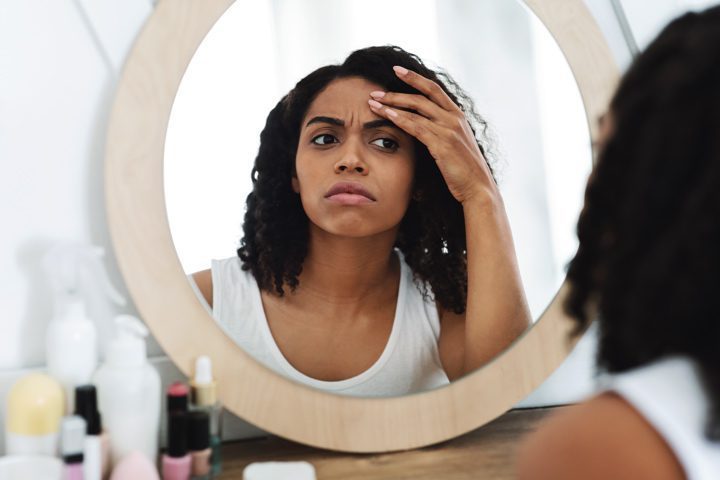
Everyone has days when they don’t feel they look their best, or wish they didn’t have a scar or some other type of flaw in their appearance. So when do these feelings actually become a problem? Body dysmorphia, also referred to as body dysmorphic disorder (BDD), is a mental health condition defined by someone’s emotional...Read More
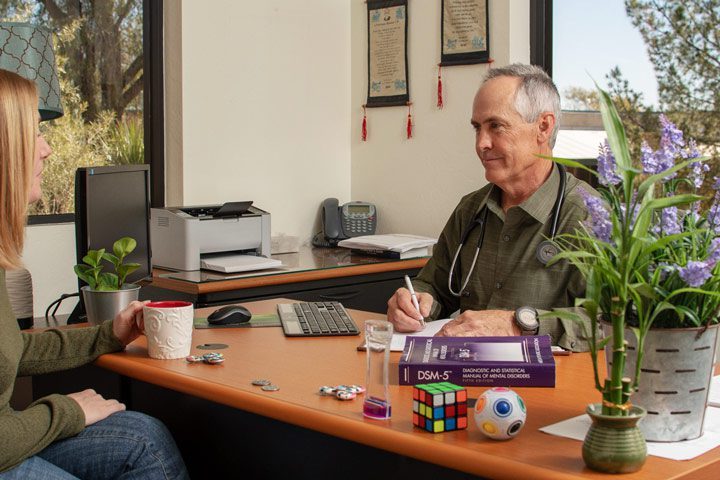
When some healthcare professionals talk about people with substance or alcohol use disorder, process addictions, mood and co-occurring disorders, trauma and PTSD, or eating disorders, they often put someone in a group based simply on symptoms. But whole person, holistic care, like what Cottonwood Tucson provides, takes into consideration an individual’s complete self and full...Read More
When a person manages their life well, it’s likely that routines and rituals have a large role in their success. Whether you’re trying to live sober, follow healthy methods for handling a mood or behavioral disorder, or recognize that your self-empowerment requires more structure, here are some reasons why establishing routines and rituals might help....Read More
While many people play video and online games for fun and camaraderie, others use these activities to deal with various issues they’re troubled with and don’t know how to handle. If they don’t receive proper treatment for these issues, they can develop a gaming addiction, which is a type of process addiction. Kathleen Parrish Explains...Read More
For many people to experience lasting recovery and renewed wellness, it’s not enough for an organization to simply address the symptoms of an apparent condition. When the professionals at Cottonwood Tucson talk about using whole-health principles, this approach is far more comprehensive than most people ever experience, and it leads to greater success. About Tab...Read More
In 2018, The Washington Post reported that 50 million adults in the U.S. live with chronic pain. That’s more than 20 percent of the country’s population. To present that statistic another way, one in five people deal with pain “most days or every day.” A large number of those individuals have chronic pain that is...Read More
The Social Distancing Mandate As a country, we’ve been mandated to practice social distancing. Social distancing means avoiding group gatherings, crowded retail stores, playdates, gyms, church, and any other situation where close contact to other people might increase the spread of disease. The Arizona government recently implemented many social distancing actions to ensure public safety....Read More
When people struggle with trauma, they often strive to project an aspect of normalcy. If they haven’t sought professional treatment to remedy the effects of trauma, or the therapeutic approach wasn’t successful, they frequently revert to other coping mechanisms to shield themselves. Coping Mechanisms Unfortunately, not all coping mechanisms are healthy, and some will compound...Read More
Parenting Parenting is a subject often fraught with insecurities, doubts, guilt, and unsolicited advice. Most people wonder if they’re doing it “right”—even though each family dynamic is different. For example, here are some top articles on Parents.com: “Thoughts We’ve All Had While Reading Parenting Message Boards” “It’s Impossible to Give Each of Your Kids Your...Read More
We are committed to creating a space where people of all races, ethnicities, genders, gender identities, sexual orientations, abilities, and backgrounds are welcomed and respected.