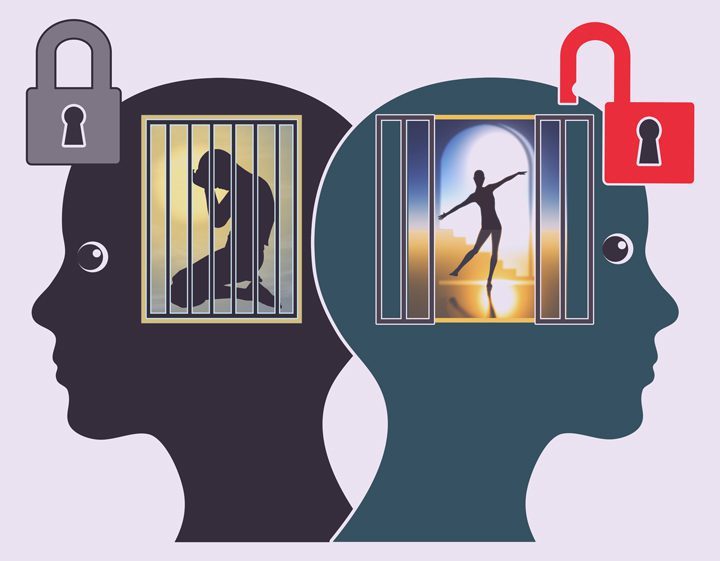
When people struggle with trauma, they often strive to project an aspect of normalcy. If they haven’t sought professional treatment to remedy the effects of trauma, or the therapeutic approach wasn’t successful, they frequently revert to other coping mechanisms to shield themselves. Coping Mechanisms Unfortunately, not all coping mechanisms are healthy, and some will compound...Read More
Recovering from trauma and substance abuse disorders often requires a person to see his or her life through a different lens—one that allows them to move forward without remaining in the grip of past experiences and behaviors. Eye Movement Desensitization and Reprocessing One type of therapy takes a literal approach to this notion of seeing...Read More
The roots of trauma run deep. On the surface, you may think you’re handling everything just fine, but if there’s unresolved or unaddressed trauma, it’s crucial to recognize how it affects your entire being—mentally, emotionally, physically, and spiritually. In addition, researchers acknowledge that substance abuse is often both a symptom of prior trauma and a...Read More
Collective Differences No matter how hard we try to make all aspects of life equal, there are clear differences between those who identify as male and those who identify as female–not just individual differences but collective ones, based on some biological factors but mostly on societal perceptions. These differences are notable in many areas, including...Read More
A Connection Many people who experience anxiety are also challenged by substance abuse. Additionally, researchers have reason to believe that anxiety—and other mood disorders such as bipolar disorder, depression, and post-traumatic stress disorder (PTSD)—contribute to the reasons why someone may become addicted to alcohol or drugs. It’s critical for healthcare providers, rehabilitation professionals, loved ones,...Read More
Americans love to shop. In 2018, overall retail spending in the United States exceeded $3.6 trillion. Retail e-commerce purchases in America totaled $517.36 billion—more than any other country. In addition, more people use smartphones to shop rather than laptops/desktops than ever before because of convenience—46 percent of online shopping orders are placed with phones.* There’s...Read More
A Complex Connection There’s a complicated connection between depression and eating disorders. The primary reasons for the complexity are the multiple layers of depression, how to address co-occurring disorders such as grief or trauma, and getting to the source of both the depression as well as the eating disorder. Types of Depression According to WebMD,...Read More
Sometimes the stories of others add to our motivation. When choosing to live a healthier life, aspects of inspiration help center your focus and intention. From motivational memes on social media to podcasts filled with aspiring goals to thousands of self-help books, it’s easy to get a boost just when you need one the most....Read More
Trauma is a strong catalyst in women’s addiction issues. Traumatic events such as domestic violence, sexual abuse, divorce, and grief are common factors in substance use disorders (SUD) for women. While this shouldn’t be a surprise to anyone trying to understand a person’s progression into drug or alcohol use, it shockingly is. The National Institute...Read More
Addiction isn’t the only reason to seek treatment at a professional facility. For people struggling with mental health issues, inpatient treatment centers often provide focused, dedicated care. Individuals who immerse themselves in such environments: Understand more about their conditions Receive concentrated therapeutic attention Learn better management techniques Establish habits of wellness for a healthier life...Read More
We are committed to creating a space where people of all races, ethnicities, genders, gender identities, sexual orientations, abilities, and backgrounds are welcomed and respected.