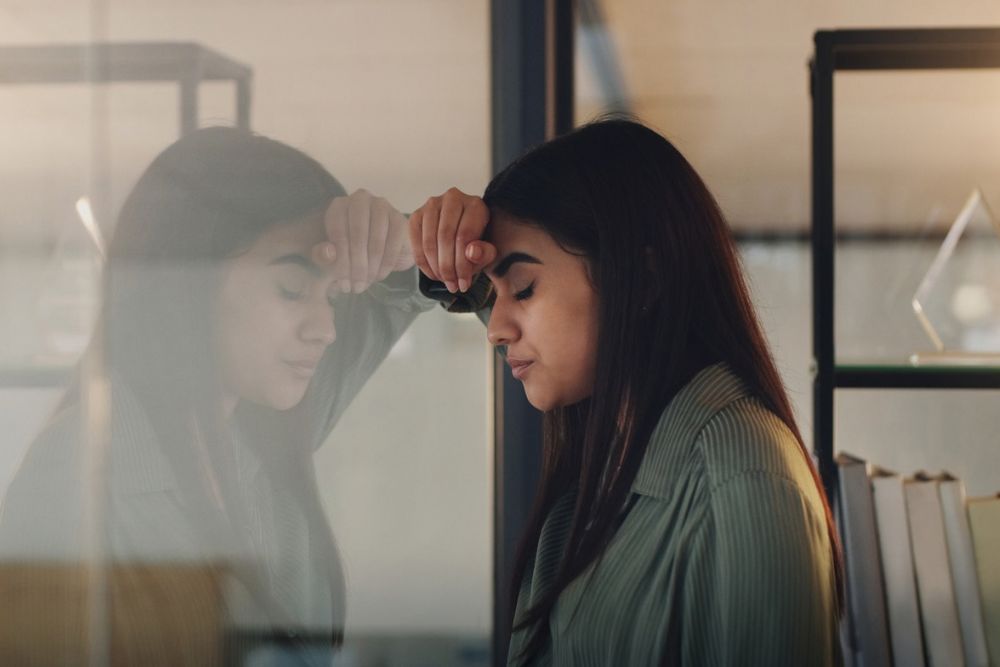
Recovering from substance use disorder is a courageous, life-altering choice. But once the dust settles and the early milestones are behind you, you may notice an unexpected challenge of no longer knowing what you enjoy. Activities that once lit you up don’t seem to spark anything anymore. You might feel disconnected from hobbies, interests, creativity, or even from yourself.
You’re not alone. Many people in recovery go through a period of rediscovery, and it can feel confusing or even overwhelming. But it’s also one of the most meaningful parts of healing. As you rebuild your life, learning what brings you joy and fulfillment again becomes a powerful source of motivation, identity, and hope.
Why Addiction Causes You to Lose Touch With Your Passions
Addiction isn’t just a chemical dependence. It rewires routines, relationships, and identity. Over time, substances become the central focus of daily life, pushing aside the things that once mattered.
Here are some reasons your passions may have faded:
- Addiction narrows your world. Substance use gradually consumes mental, emotional, and physical energy. Even activities you once loved may have felt like obstacles or distractions from the addiction.
- Dopamine becomes hijacked. Substances flood the brain with dopamine, overshadowing the more subtle, steady pleasure of healthy hobbies. Activities that used to bring satisfaction may no longer compete with the artificial high.
- Shame and withdrawal reduce engagement. The emotional weight of addiction often leads people to withdraw socially and abandon interests that once brought them into community.
- Fatigue and overwhelm take over. As addiction progresses, fatigue and chaos replace structure and routine. The energy required for hobbies or learning new things simply isn’t available.
Understanding this helps remove self-judgment. You didn’t “fail” your passions—addiction pulled you away from them.
Why Rediscovering Your Passions Matters in Recovery
Recovery is more than abstinence; it’s building a meaningful life that makes long-term sobriety not only possible but deeply rewarding.
Reconnecting with your passions is a powerful step because:
- Passions give you purpose. A sense of purpose is one of the strongest predictors of sustained recovery. Enjoyment and meaning help fill the void that substances once occupied.
- Healthy joy supports brain healing. Activities that spark creativity, movement, laughter, or curiosity boost neurotransmitters naturally to help your brain heal.
- Passions rebuild your identity. Addiction may have separated you from who you believed yourself to be. Exploring interests helps rebuild an authentic identity rooted in choice, not survival.
- Hobbies create community. Whether it’s hiking groups, art classes, or volunteer work, passions bring you into connection with people who support your growth.
- Passion protects your sobriety. When your life feels full, purposeful, and interesting, cravings lose their power.
How to Rediscover Your Passions in Recovery
Finding passion again is a journey, not a switch you flip. Here are practical, compassionate tips to help you explore:
1. Start With Curiosity Instead of Pressure
You do not need to immediately find “your thing.” Start by being curious. Ask yourself:
- What used to make me happy as a child?
- What activities make me feel calm, excited, or fulfilled?
- What do I admire in others?
For example, if you used to love nature, try a short walk or a visit to a botanical garden, or if you have always admired musicians, take a beginner music lesson online or in your community.
2. Try Small, Low-Commitment Experiments
Your passion might come from unexpected places, but you won’t know until you try.
Pick “micro-experiments,” like:
- Borrowing a book on cooking
- Joining a local photography meet-up
- Trying a new recipe
- Taking a gentle yoga or stretching class
Small steps help you find what clicks without overwhelming yourself.
3. Rebuild Your Connection With Your Body
Addiction often numbs or disconnects you from physical sensations. Many passions grow from feeling present in your body.
Try:
- Hiking or walking on a local trail
- Dancing in your living room
- Yoga, tai chi, or breathwork
- Gardening or hands-on activities
Movement creates emotional clarity, and passions often reveal themselves when you feel grounded.
4. Reconnect With Creativity
Creativity isn’t about talent; it’s about expression.
Try:
- Painting, sketching, or coloring
- Playing an instrument
- Journaling or writing poetry
- Crafting or DIY projects
- Cooking or baking as an art form
Creative activities help you process emotions and reclaim your inner voice.
5. Serve Others or Volunteer
For many recovering individuals, passion is rediscovered through meaning, not just pleasure.
Consider:
- Volunteering at an animal shelter
- Helping at a food bank
- Mentoring others in recovery
- Participating in community garden projects
Purpose can be the greatest passion of all.
6. Accept That Passions May Change Over Time
What you loved before addiction may not be what you love now, and that’s perfectly okay. Recovery is a transformation, and passions often evolve with you.
Be open to becoming someone new.
Cottonwood Tucson Is Here to Help
If you’re ready to uncover joy, meaning, and purpose again, you don’t have to do it alone. The compassionate team at Cottonwood Tucson is here to support you through every step of your healing from rediscovery to lasting recovery.
Reach out today to begin rebuilding a life filled with passion, connection, and hope.