How Sugar Undermines Mental Health
You don’t have to entirely eliminate sugar from your diet, but it is a good idea to limit how much you’re consuming
Read more
You don’t have to entirely eliminate sugar from your diet, but it is a good idea to limit how much you’re consuming
Read moreHow can you manage your mental health at work? What can your manager do to support you? Learn helpful tips and tricks.
Read moreWhen we are in the midst of a stressful situation, humans have a survival mechanism that has been handed down by generations of our ancestors.
Read moreIt can feel very foreign to treat yourself with kindness, empathy, and love when you’re not used to doing so.
Read moreOne of the goals of Suicide Prevention Month is to teach people how to keep someone safe who is contemplating suicide.
Read moreThe right medication and therapy are powerful tools for mental health, but that doesn’t mean that other interventions are unimportant.
Read moreThe amount of sleep you get and the quality of your sleep have a huge impact on your mental and physical health.
Read moreAnxiety can be one of these conditions that is difficult to explain, especially in the moment when someone is struggling.
Read moreGrounding is the process of focusing on the present moment to help your body and emotions become regulated.
Read moreWhile self-care isn’t necessarily meant to target your mental health, it can have an indirect impact when you:
Read moreThe substance a person has been using and the severity of their addiction can impact what withdrawal symptoms they will have
Read moreYour recovery from behavioral health is not something to view with shame. It is a personal journey, and you are not required to share.
Read moreWhen people learn that you are in recovery from mental illness or addiction, they might have a lot of questions.
Read moreMental health can be complicated, but when you’re talking to kids, you want to keep it simple so that even small children can understand
Read moreSelf-care is anything you can do to promote and maintain your own health and well-being or to cope with illness.
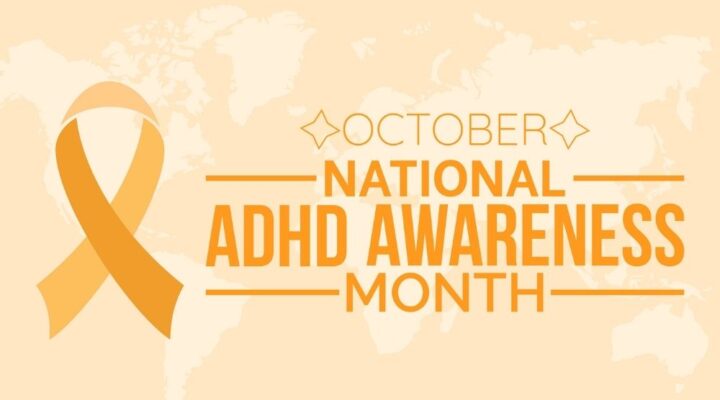
Read moreOctober is ADHD Awareness and Empowerment Month, so there is no better time to increase your understanding of this very common condition.
Read moreA journal can feel like a letter to your future self—helping you process feelings, track change, and support recovery
Read moreAffirmations are positive statements you can repeat to build confidence, encourage resilience, and support your recovery journey.
Read moreChanging seasons can affect mental and chemical health. Learn how seasonal affective disorder (SAD) impacts recovery and well-being.
Read moreRecovery Month celebrates recovery, raises awareness of new treatments, honors professionals, and fights stigma around behavioral health.
Read moreAt Cottonwood in Tucson, we help clients heal and find ways to make amends for the hurt caused to others before entering recovery.
Read moreOverdose Awareness Day raises knowledge of overdose signs and response while offering space for loved ones to mourn and honor those lost.
Read moreLearn how to recognize signs of opioid misuse, understand overdose risks, and explore holistic approaches to treating opioid addiction.
Read moreEveryone knows that loneliness is bad for sobriety, so if that’s not a good option, what else can you do? There are many options to consider.
Read moreIf your job consistently takes priority over hobbies, relationships, or downtime, you may be caught in the cycle of hustle culture.
Read morePerfectionism may seem like a positive trait, but research shows it doesn’t always lead to fulfillment, achievement, or productivity.
Read moreAs July begins, some feel energized by summer, while others struggle to adjust to the heat and less structured routines.
Read moreMen make up half of the population. Their untreated mental health conditions impact them, their families, and every stratum of our society
Read moreThis year’s focus highlights how misconceptions can block individuals from getting help and hinder families from finding support.
Read morePeople who have lived in foster care are also at increased risk for substance misuse, compared to the general population.
Read moreAt Cottonwood, in Tucson, Arizona, we treat a number of conditions for which 12-Step groups exist to offer support. We provide education about these groups to our patients because these groups have been found to be effective and beneficial in treating a number of disorders that involve addictions.
Read moreAt Cottonwood, in Tucson, Arizona, we want to help people stay safe during times of crisis by providing information on how to protect suicidal people from guns.
Read moreSpirituality is the aspect of ourselves that extends beyond our physical body and includes our purpose and our nature. For some people, this may be an aspect of their religious beliefs, but…
Read moreApril is Stress Awareness Month. Stress isn’t always a bad thing, but, it can become overwhelming and take a toll on our mental health.
Read moreExercise is good for your mind and your body, but like anything else, too much exercise can be a problem.
Read moreIt is not uncommon for people who are struggling with their mental health to intentionally inflict physical harm on themselves. March is Self-Harm Awareness Month, so now is a good time to…
Read moreMany people who are diagnosed with behavioral health conditions also have a co-occurring eating disorder.
Read moreWe understand that the painful experiences our patients had before they reached adulthood, can have a direct impact on their mental health.
Read moreCottonwood Tucson provides holistic, culturally competent mental health care, addressing barriers while honoring the resilience of the Black community.
Read moreWe know from experience that the sooner a person gets treatment for a mental illness, the easier it is for them to make a full recovery.
Read moreUnderstanding body dysmorphia: a debilitating preoccupation with perceived flaws in appearance. Learn about its impact and treatment options.
Read moreHow Nutrition Supports Recovery: Choosing nutritious foods helps heal substance-related damage and boosts mood-enhancing brain chemicals
Read moreMood disorders are far more common than most people think, and failing to recognize the signs can have lasting implications.
Read moreLearn how to establish healthy boundaries with toxic people to support your recovery and relationships. Here are some practical tips
Read moreWhat is Pink Cloud Syndrome? Discover the red flags and symptoms of this common phenomenon among people in recovery.
Read moreThe greatest gift a person in recovery can give themselves at this time of year is a solid plan for staying sober and mentally healthy.
Read moreSurvivor’s Day is intended to be a day of remembrance, support, and healing for those who have lost someone to suicide.
Read moreLearn about the benefits of outpatient treatment for overcoming addiction. Find flexible and effective care options.
Read moreFind out how Tactical Recovery at Cottonwood in Tucson, Arizona is helping Veterans overcome addiction and mental illness.
Read moreEMDR was developed to address the trauma associated with PTSD. There have been numerous studies of EMDR’s impact on trauma...
Read moreWhether you are looking for help for yourself or a loved one, we can answer your questions about treatment programs, insurance and next steps.
Call (888) 727-0441